The Best Group Tours for Elderly Parents Who Want to Travel Independently
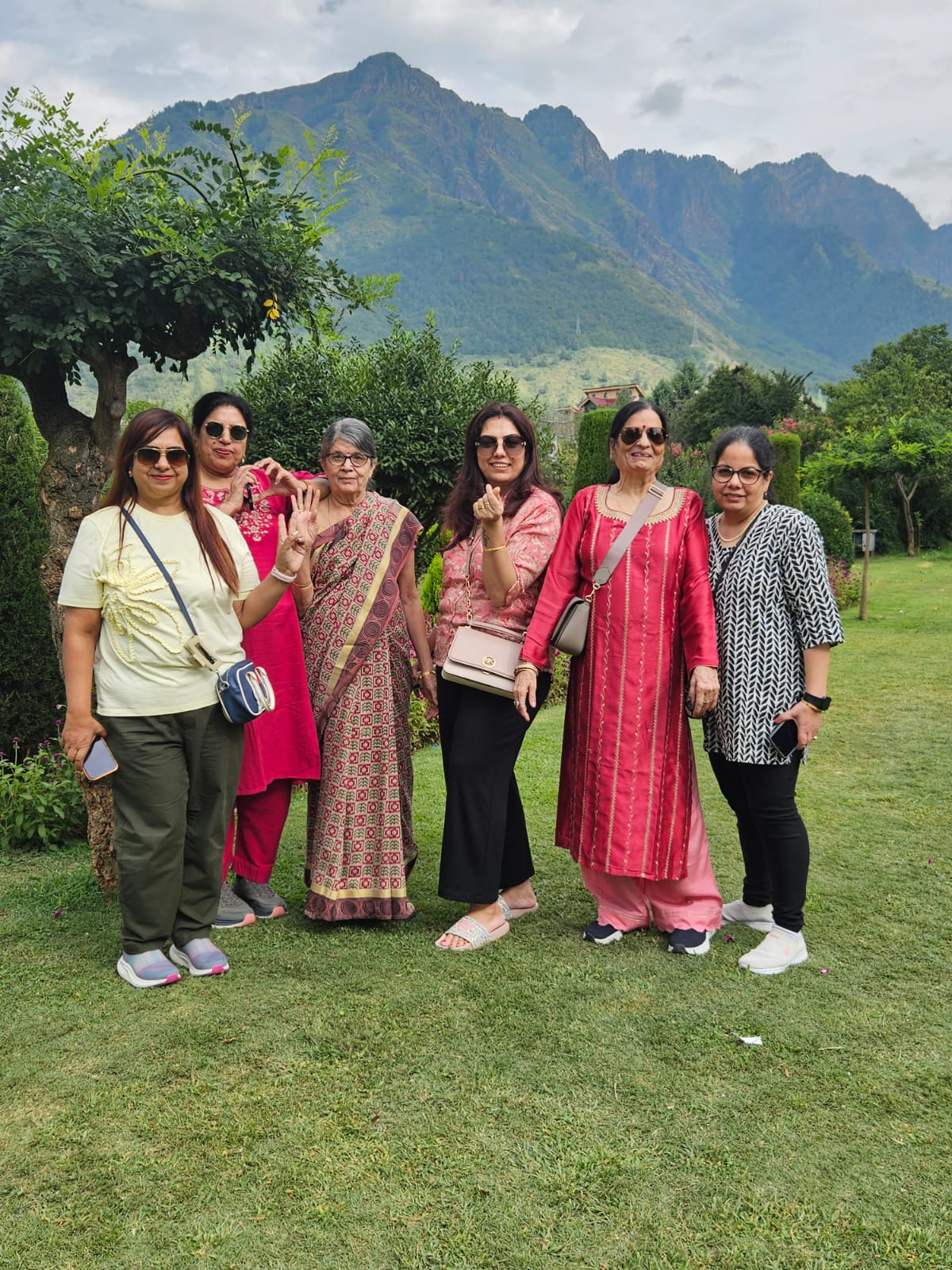
There's a specific tension many families navigate: parents who want to travel and see the world on their own terms, and adult children who worry about them doing it without support nearby. It shows up in every conversation about a parent's next trip — the excitement of "I want to go to Kerala" or "I've always wanted to see the Northeast" running straight into "but what if something happens and we're not there?"
Group tours resolve this tension better than almost any other travel format available. Done well, they give elderly parents the independence they're asking for, while giving the rest of the family the reassurance they need — without either side having to compromise on what actually matters to them.
Independence Doesn't Mean Traveling Alone
There's a common misconception that "independent travel" for a senior citizen has to mean solo travel — booking their own flights, navigating an unfamiliar city alone, figuring out logistics on the fly. That's rarely what parents actually want, and it's rarely what families are comfortable with either.
A well-run group tour offers a different, more workable version of independence. Elderly travelers choose to join a trip on their own terms, they make their own decisions each day within the itinerary — which excursions to join, when to rest, who to sit with at dinner — and they form their own friendships along the way. At the same time, a tour manager and, on longer or more remote itineraries, an onboard doctor provide a safety net that a fully independent solo trip simply wouldn't have.
This is the real value of senior citizen group travel in India: it separates autonomy from risk. Parents get to feel like the trip is theirs, not something being managed for them, while the structural support that reduces genuine risk stays quietly in the background.
The Social Dimension Families Often Underestimate
When families weigh the pros and cons of a parent traveling, the conversation almost always centers on physical safety — falls, medical emergencies, unfamiliar terrain. What gets discussed far less is isolation, which is often the bigger hidden concern for elderly parents, particularly those who've lost a spouse or whose friend circle has naturally shrunk over the years.
A group tour built around fellow travelers in a similar life stage — typically 50-plus — creates a genuine, if temporary, community. Shared meals, shared excursions, and simply being around people who move at a similar pace and share similar reference points does something that a family holiday or a solo trip usually can't replicate. Many participants describe the friendships formed on these trips as more valuable than the destinations themselves — a number of them stay in touch long after the tour ends, occasionally reconnecting for future trips together.
What to Look For in a Group Tour Operator
Not all group tours built for older travelers are built the same way. A handful of details separate a genuinely senior-friendly operator from one that has simply added "senior citizen" to its marketing:
- Realistic daily pacing — fewer forced early starts, built-in rest time, and itineraries that don't try to cram a full city into a single day.
- Group size — smaller groups make it easier for a tour manager to actually notice if someone is struggling, and easier for genuine friendships to form.
- On-call or onboard medical support — particularly important for longer trips, high-altitude destinations, or groups with participants managing ongoing health conditions.
- Accommodation and mobility considerations — ground-floor or elevator-accessible rooms, manageable walking distances, and transport that doesn't demand long stretches without a break.
- Flexibility to opt out — the ability to skip a strenuous excursion without being made to feel like they're holding up the group.
These aren't luxuries — they're what actually makes the difference between a trip a parent enjoys and one they simply endure.
What Families Should Communicate Before Booking
A few conversations before departure prevent most of the problems families worry about after the fact:
- Share relevant medical history directly with the tour operator, not just with the traveler — a good senior-focused agency will ask for this proactively, but it's worth volunteering even if they don't.
- Confirm how the family will be contacted in case of a genuine emergency, and at what threshold a health concern gets escalated to a call home, rather than being handled quietly on-site.
- Ask about the tour manager's experience with older travelers specifically — a tour manager used to running trips for young backpackers will manage a group very differently than one who specializes in senior travel.
- Clarify what happens if a parent needs to leave the tour early due to a health issue, so there's no ambiguity if it's ever needed.
Letting Go, Responsibly
The healthiest version of this arrangement isn't constant monitoring from home — it's trusting a system built specifically to catch problems early, so parents get real independence and families get real reassurance, without either side needing to check in every few hours. That trust has to be earned by the operator, which is exactly why the questions above matter more than the marketing brochure does.
How Triptoniq Supports Both Sides of This
TripToniq builds every group tour to give elderly travelers genuine freedom within a safety net — an onboard doctor, a dedicated tour manager experienced with senior groups, realistic daily pacing, and clear communication protocols with families back home. It's the same standard we'd want for our own parents, which isn't a coincidence — our founders travel on these trips themselves.
Get in touch to discuss the right tour for your parents.